Prisoner Diary: Exploring the Shadows of Injustice and Redemption in Sandip Roy's Memoir
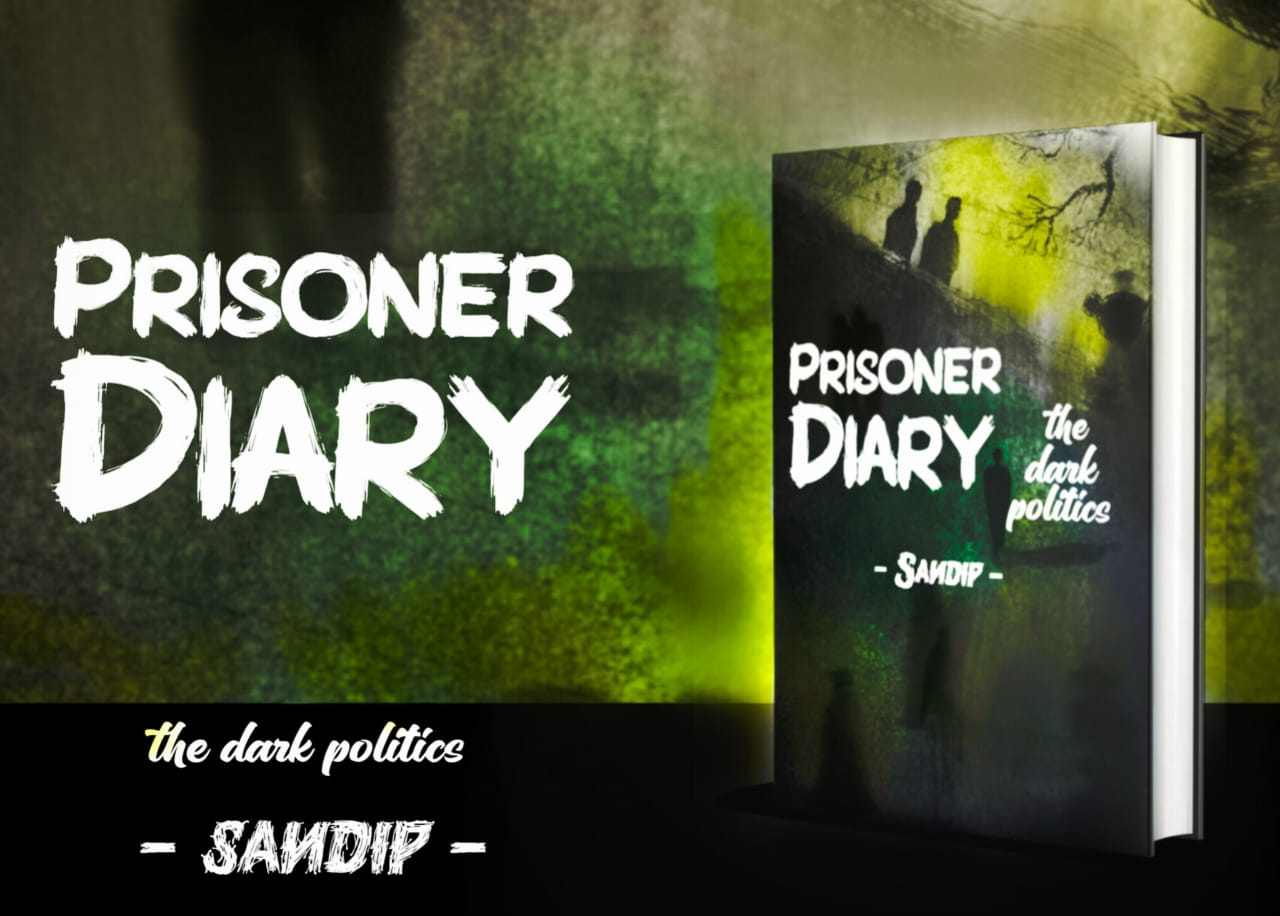
In the realm of personal narratives that expose the underbelly of power and human frailty, Prisoner Diary: The Dark Politics by Sandip Roy stands out as a compelling testament to survival amid turmoil. This memoir delves into the raw experiences of a man ensnared by political machinations, offering readers a profound look at themes like loyalty, loss, and the quest for inner peace. Unlike many autobiographical works that focus solely on external events, Roy's book weaves introspection with real-world struggles, making it a must-read for those interested in the intersections of politics, personal betrayal, and emotional resilience. As we unpack this narrative, we'll explore how Roy transforms his ordeal into a story of quiet triumph, reminding us that even in the darkest confines, glimmers of humanity persist.
Published as a reflection on a life upended by false accusations, Prisoner Diary captures the essence of what it means to be wrongfully imprisoned in a system rife with corruption. Roy, once a prominent individual in his community, finds himself stripped of freedom not due to his deeds but through the calculated schemes of former allies. The book isn't merely a recounting of facts; it's an emotional journey that questions the very foundations of justice and trust. For anyone searching for insights into "Prisoner Diary," this article provides a fresh perspective, drawing on the core elements of Roy's story while highlighting its broader implications for understanding political intrigue and personal recovery.
Who Is Sandip Roy? A Glimpse into the Author's World
Sandip Roy emerges as an enigmatic figure in contemporary literature, particularly with Prisoner Diary: The Dark Politics. While details about his background remain somewhat veiled—perhaps intentionally, given the sensitive nature of his experiences—Roy is portrayed as a former public personality who chose seclusion after his exoneration. His writing suggests a man deeply affected by the events he describes, yet committed to sharing his truth without descending into vengeance.
From available sources, Roy appears to draw from a life marked by ambition and subsequent disillusionment. Prior to his imprisonment, he navigated circles of influence, building a reputation that made him a target for envy and conspiracy. Post-release, Roy has opted for a low-profile existence, focusing on authorship as a means of catharsis and advocacy. This shift mirrors patterns seen in other political memoirs, such as those listed in compilations of prisoner narratives, where authors like Nien Cheng or Aleksandr Solzhenitsyn use their stories to critique systemic flaws. Roy's approach, however, emphasizes personal healing over outright condemnation, setting Prisoner Diary apart in the genre.
His portfolio, as glimpsed through online profiles, includes works that emphasize transformation and companionship, hinting at a broader thematic interest in resilience. In Prisoner Diary, Roy channels these elements into a narrative that's both intimate and universal, appealing to readers who appreciate introspective storytelling.
A Synopsis of Prisoner Diary: Navigating the Storm Without Spoilers
At its heart, Prisoner Diary: The Dark Politics chronicles a descent into a world where innocence is no shield against malice. Roy begins by setting the stage for his downfall—a web of deceit spun by those he once held dear. The memoir unfolds through vivid recollections of legal battles, where evidence is twisted and alliances fracture under pressure. As Roy endures the isolation of incarceration, he confronts not just physical hardships but the erosion of his former life.
Key episodes highlight the paradoxes of prison existence: moments of unexpected solidarity among inmates contrast sharply with the indifference or hostility from the outside world. Roy's accounts of daily routines, emotional lows, and fleeting joys paint a multifaceted picture of confinement. He touches on personal losses, including the toll on family health and relationships, without dwelling on melodrama. Instead, the narrative builds toward a resolution focused on reclamation—emerging from the ashes with a renewed sense of purpose.
This structure avoids linear chronology at times, opting for thematic leaps that mirror the fragmented nature of memory. For fans of prison literature, it echoes the raw authenticity found in works like Henri Charrière's Papillon or Primo Levi's Survival in Auschwitz, where survival is as much mental as physical. Roy's memoir, though rooted in political darkness, ultimately steers toward light, emphasizing that vindication in court doesn't equate to full restoration.
Key Themes in Prisoner Diary: Betrayal, Brotherhood, and Beyond
One of the most striking aspects of Prisoner Diary is its exploration of betrayal. Roy dissects how trust, once the bedrock of his relationships, becomes a weapon wielded against him. He illustrates this through anecdotes of former confidants who exploit his vulnerability, looting assets and abandoning him in his hour of need. This theme resonates with broader discussions in political prisoner memoirs, where personal treachery often amplifies institutional injustice.
Conversely, the book celebrates unlikely bonds formed in adversity. Within the prison's grim walls, Roy discovers camaraderie among strangers—fellow detainees who offer support, sharing stories and shoulders to lean on. This sense of brotherhood emerges as a counterpoint to external isolation, underscoring humanity's capacity for kindness even in dehumanizing environments.
Loss permeates the pages, from the deterioration of loved ones' health to shattered romantic dreams. Roy poignantly reflects on a cherished partner whose absence haunts his nights, symbolizing the collateral damage of injustice. Yet, amid grief, hope endures. Roy's loyal companion, a faithful pet named Jojo, becomes a beacon of unwavering loyalty, providing solace in chaos. This element adds a tender layer, humanizing the narrative and highlighting themes of companionship seen in other works, like Georgi Vladimov's Faithful Ruslan.
Politically, the memoir critiques the sluggishness of justice systems, questioning why due process fails the innocent while perpetrators evade accountability. Roy avoids bitterness, instead advocating for reform through subtle introspection. His tiredness—of constant battles and proofs—evolves into a yearning for simplicity, symbolized by visions of a serene life far from turmoil.
Insights into Characters and Relationships: The Heart of the Story
Roy's memoir shines in its character portraits, starting with himself as a flawed yet resilient protagonist. He admits to past ambitions that may have blinded him to dangers, adding depth and relatability. His mother, depicted as a pillar whose health suffers in his absence, embodies familial sacrifice, evoking empathy and underscoring the ripple effects of imprisonment.
Jojo, the devoted animal companion, steals scenes with his silent presence, representing pure, non-judgmental love. This relationship contrasts sharply with human betrayals, offering readers a poignant reminder of loyalty's forms.
The "loved one"—a woman central to Roy's pre-prison dreams—symbolizes lost potential. Their bond crumbles under external pressures, leaving echoes of heartbreak that Roy processes through writing. Antagonists, though unnamed, are painted as architects of conspiracy, their actions driven by greed and fear, providing a lens into the "dark politics" of the title.
These elements collectively create a tapestry of relationships, where betrayal teaches caution, and unexpected kindness fosters growth.
Why Prisoner Diary Deserves Your Attention: Lessons and Legacy
In a world where political scandals dominate headlines, Prisoner Diary offers timeless lessons on resilience. Roy's story encourages readers to question power structures and value authentic connections. It's particularly relevant for those studying or affected by wrongful convictions, aligning with narratives in John Grisham's The Innocent Man.
The book's impact lies in its call for empathy—toward prisoners, families, and even reformed societies. By sharing untold facets of his life, Roy ensures his experiences spark dialogue on justice reform. For aspiring writers or memoir enthusiasts, it demonstrates how vulnerability can forge powerful prose.
Compared to viral prison tales like those in YouTube horror adaptations or anonymous diaries, Roy's work stands out for its authenticity and depth. It's not just a diary; it's a blueprint for rebuilding from ruins.
Conclusion: Embracing the Rhythm of New Beginnings
Prisoner Diary: The Dark Politics by Sandip Roy is more than a recount of suffering—it's a meditation on hope's endurance. As Roy contemplates a future of quiet dignity, perhaps near the soothing sounds of passing trains, he invites readers to reflect on their own paths. Will past wounds define us, or can they inspire renewal? This memoir answers with quiet optimism, ensuring that while scars remain, so does the potential for peace.
For anyone intrigued by "Prisoner Diary," dive into Roy's world; it's a journey that lingers long after the final page. With its blend of political critique and personal insight, this book not only ranks high in relevance but also in its ability to touch the soul.